
MaGypSil
Gypsum–Magnesium–Silicate
Soil Amendment
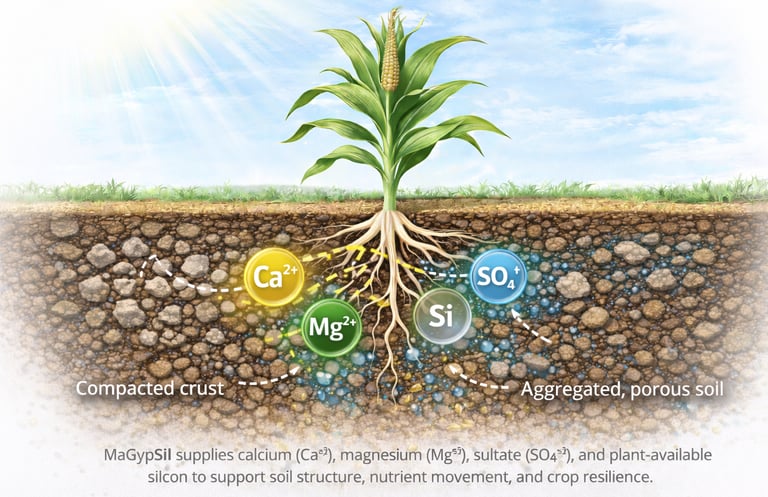
MaGypSil is a blended mineral soil amendment combining hydrated magnesium silicate with naturally mined agricultural gypsum. It is designed to improve soil structure, cation exchange, and long-term soil chemical stability while supplying calcium, magnesium, sulfur, and plant-beneficial silicon.
Guaranteed Mineral Profile
• Silicon Dioxide (SiO₂): 22.0%
• Magnesium Oxide (MgO): 17.0%
• Calcium Oxide (CaO): 15.0%

Core Agronomic Benefits
Improves Soil Structure and Aggregation
The combination of calcium and magnesium supports aggregation and flocculation, helping loosen tight soils, reduce crusting, and improve pore structure.Enhances Cation Exchange Capacity and Buffering
MaGypSil improves the soil’s ability to hold and exchange nutrients, supporting more stable fertility and reducing nutrient losses.Supports Sulfur Availability Through Natural Processes
Gypsum contributes sulfur that becomes available through microbial activity, supporting protein synthesis and overall plant metabolism.Moderates Soil Acidity Over Time
Through gradual mineral weathering, MaGypSil helps moderate soil acidity without rapid pH swings, supporting long-term soil chemical balance.Provides Gradual Release of Plant-Beneficial Silicon
Silicon supports stronger plant tissues and improved resilience, particularly under stress from heat, disease pressure, or lodging risk.Improves Water Movement and Rhizosphere Dynamics
Better aggregation and pore continuity improve infiltration, drainage, and root-zone oxygen balance.


Where MaGypSil Fits Best
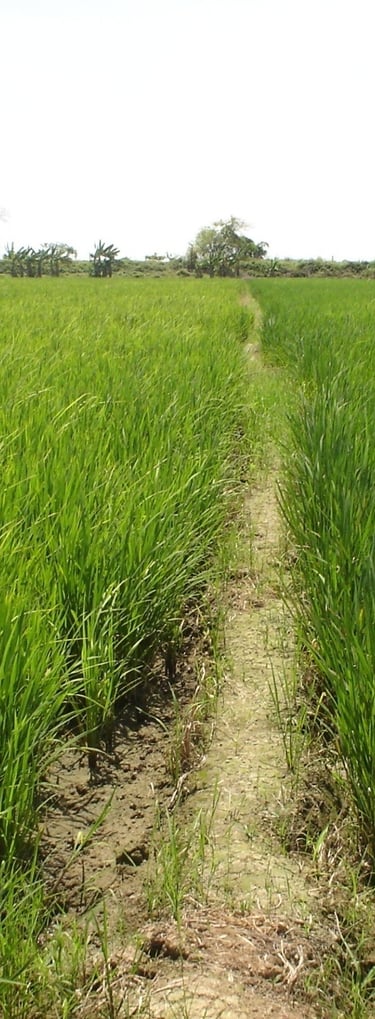
• Compacted or structurally degraded soils
• Fields requiring calcium and sulfur support
• High-CEC management systems
• Crops sensitive to poor drainage or crusting
• Programs seeking combined gypsum + silicate benefits
Typical Application
100–300 kg per hectare (approximately 90–270 lb per acre), incorporated into the top 4–6 inches of soil. Rates should be guided by soil test results and crop requirements.
MagSil LLC
Empowering growers with natural soil amendment solutions
info@magsil.us
© 2025. All rights reserved.